Progress on US-China Commitments, USCC Publishes Annual Report
This week, the United States and China continued to take action on commitments made during the leaders’ meeting in October.


Chair of the Select Committee on the CCP John Moolenaar (R-MI) and Ranking Member Raja Krishnamoorthi (D-IL) on Monday sent a letter to US Food and Drug Administration (FDA) Commissioner Robert Califf urging the agency to more proactively regulate US biotech activities in China.
China released a rapid-fire burst of climate policies in the first half of August to accelerate progress on the country’s goal to reach peak carbon by 2030. The policy rollout comes after the official readout of the Third Plenum called for a concerted effort to cut emissions, the first time carbon emissions were mentioned in a plenum document.
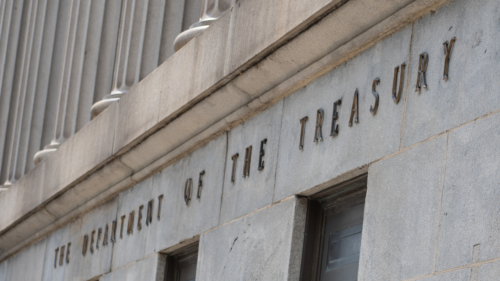
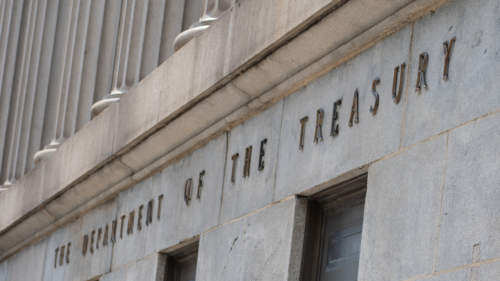
Treasury Department officials are holding talks with their Chinese counterparts in Shanghai this week during the fifth meeting of the Financial Working Group. Treasury Assistant Secretary for International Finance Brent Neiman is leading the US delegation, with People’s Bank of China Deputy Governor Xuan Changneng leading on the Chinese side.
The last few months have seen multiple developments affecting the sector, particularly the automotive industry. China increased automotive purchase subsidies and approved the first batch of companies to participate in its pilot scheme for L3 and L4 autonomous vehicle testing.
The Commerce Department reportedly plans to propose a ban on high-level Chinese software in autonomous and connected vehicles. The proposed rule, which is expected to be unveiled in the coming weeks, would bar Chinese software in US vehicles with Level 3 automation or higher, as well as ban vehicles with Chinese-developed advanced wireless communications abilities modules.
Under the leadership of Chair Raj Subramaniam, seven USCBC board directors recently completed our annual board mission to China. See our public statement on the trip here.
The Commerce Department’s Bureau of Industry and Security (BIS) on Monday released two notices of proposed rulemaking on military and intelligence end uses and users and crime controls. The rules are the largest expansion of US export controls since the system was overhauled in 2018.
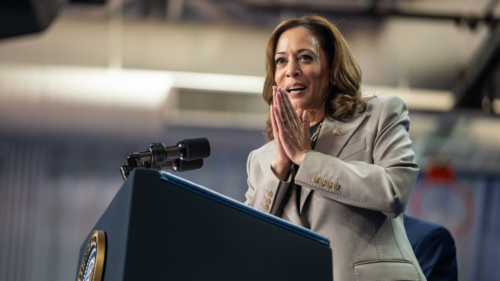
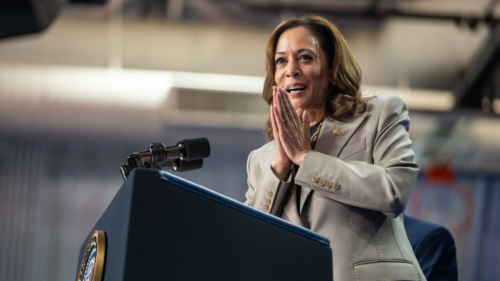
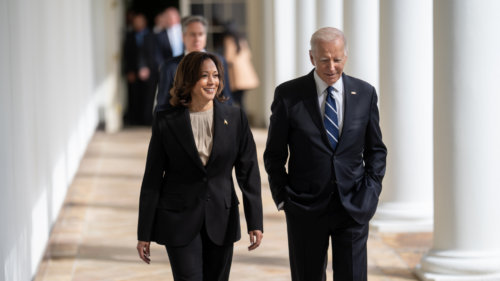
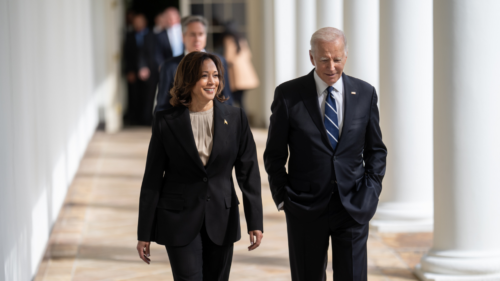
The presumptive Democratic nominee for president, Vice President Kamala Harris, has yet to release a platform. When she does, her stance on trade with China is unlikely to diverge dramatically from that of the Biden administration.
The 20th Central Committee of the Chinese Communist Party concluded its third plenum last Thursday in Beijing. Over the course of the meetings, senior party leaders deliberated a wide range of economic and social policy initiatives that will have lasting implications for companies operating in China.
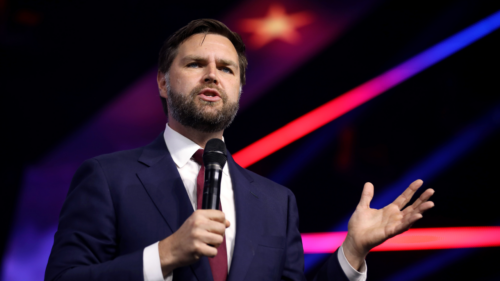
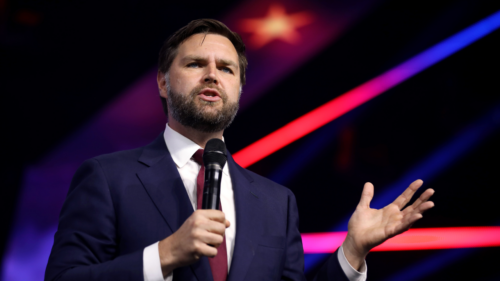
When it comes to China policy, former President Donald Trump’s newly tapped running mate is just as, if not more, hawkish than Trump himself, another sign that the Trump campaign is gearing up to restart its America First foreign policy.