Progress on US-China Commitments, USCC Publishes Annual Report
This week, the United States and China continued to take action on commitments made during the leaders’ meeting in October.


The United States and China have signed a yet-to-be-released framework capturing agreements made between chief negotiators in London last month. Trump on June 11 posted on Truth Social that the China trade deal was complete and that full magnets, and any necessary rare earths, will be supplied up front by China.
China unveiled new financial opening measures during the Lujiazui Forum in Shanghai last month, timing several additional policy announcements to coincide with the event. Each summer, the forum convenes top regulators from the People’s Bank of China (PBOC), the China Securities Regulatory Commission (CSRC), and the National Financial Regulation Administration (NFRA) to signal policy directions and preview reform priorities for the financial sector.
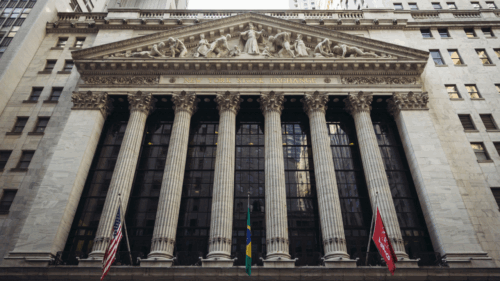
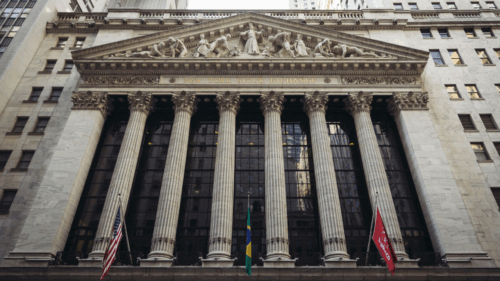
A subset of lawmakers have long argued that listing on US exchanges allows Chinese firms to benefit from American capital while supporting China’s military modernization efforts. In his first term, President Donald Trump launched an effort to prohibit US investments in Chinese companies deemed to be connected to China’s military, resulting in the delisting of several major Chinese state-owned enterprises.
Six Chinese government agencies issued a joint statement on Monday adding two precursor chemicals (4-piperidone and 1-tert-butoxycarbonyl-4-piperidone) to a list of Class Two chemicals that will be subject to tougher supervision starting July 20.
By offering an avenue for Beijing to reorient its exports and for Washington to strengthen existing China trade restrictions, third countries are becoming a key front in bilateral trade conflict.
All eyes are on the Senate to pass the reconciliation tax and spending package after the House passed its version by a vote of 215–214. The so-called big, beautiful bill is aimed at making 2017 tax cuts permanent and includes provisions related to energy, health care, and other economic issues. It is a budget reconciliation bill which is designed to fast-track policy and avoid higher vote thresholds for passage. Several provisions have important US-China trade implications.
US trade negotiators will meet “soon” with their Chinese counterparts to restart negotiations following a Thursday call between President Donald Trump and President Xi Jinping. It was their first formal contact since Trump’s inauguration and comes as talks have stalled, with both sides accusing the other of breaking with commitments agreed upon last month in Geneva.
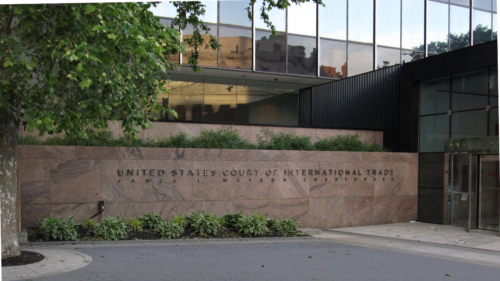
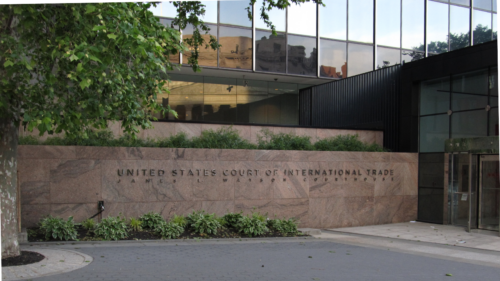
The US Court of International Trade on Wednesday struck down President Donald Trump’s tariffs imposed under the International Emergency Economic Powers Act, ruling that the president exceeded his authority. This includes the so-called reciprocal tariffs levied on numerous countries, including China, on April 2; the universal 10% baseline tariff on all other countries; and tariffs on China, Mexico, and Canada related to fentanyl concerns.
Multinational companies have struggled to acquire rare earth magnets from China since the announcement, with several USCBC members expressing concern about manufacturing disruptions caused by delays in export approval for rare earth material from China.